
Understanding Divine Law and Natural Law — In Simple Terms
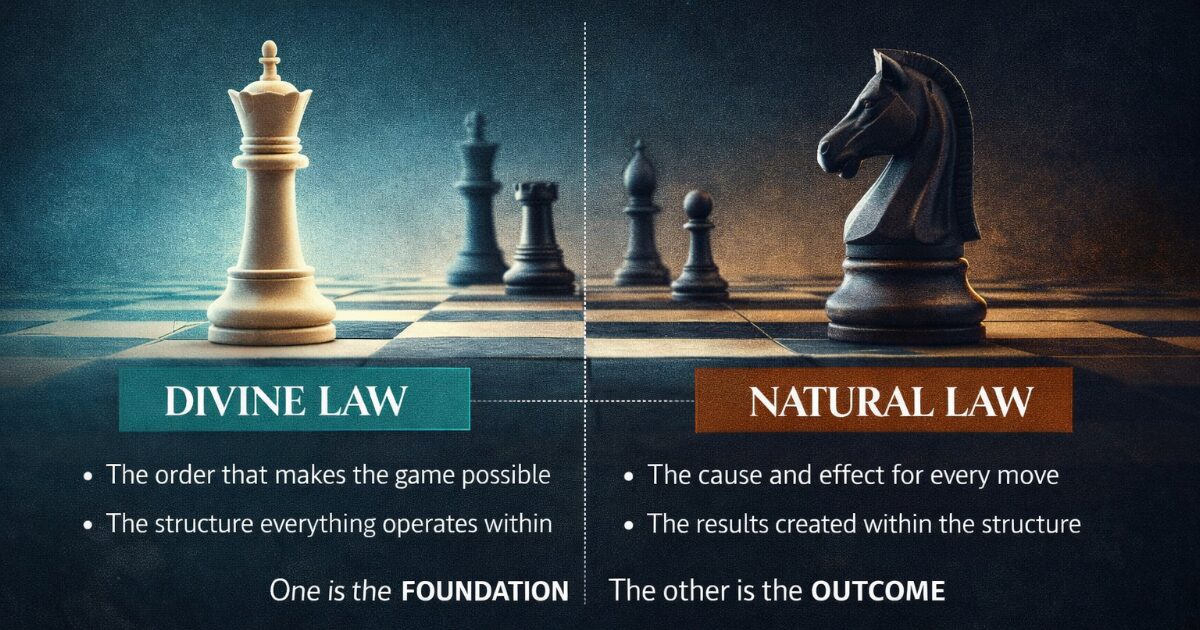
What’s the difference between Divine Law and Natural Law? This simple explanation uses a chess analogy to break down structure, cause, and effect in a way anyone can understand.

What’s the difference between Divine Law and Natural Law? This simple explanation uses a chess analogy to break down structure, cause, and effect in a way anyone can understand.

What if clarity doesn’t come from systems—but from within? This article explores the difference between compliance and self-definition, and why true authority begins with knowing who you are.

Focusing only on positivity can feel uplifting, but it may limit awareness. This article explores the importance of balancing positivity with clarity to better understand reality and make more informed choices.

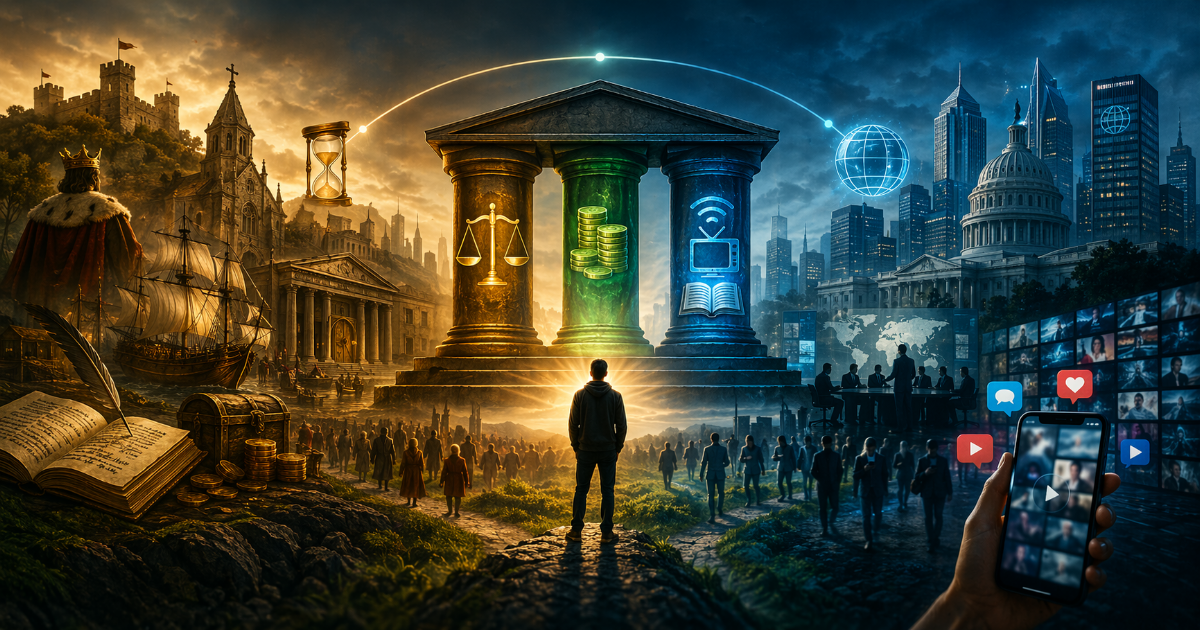
In today’s digital environment, information moves faster than ever, but not always with clarity. Media bias, personal perception, and institutional influence all shape how information is presented and understood, making it essential to think critically about what we see and hear.

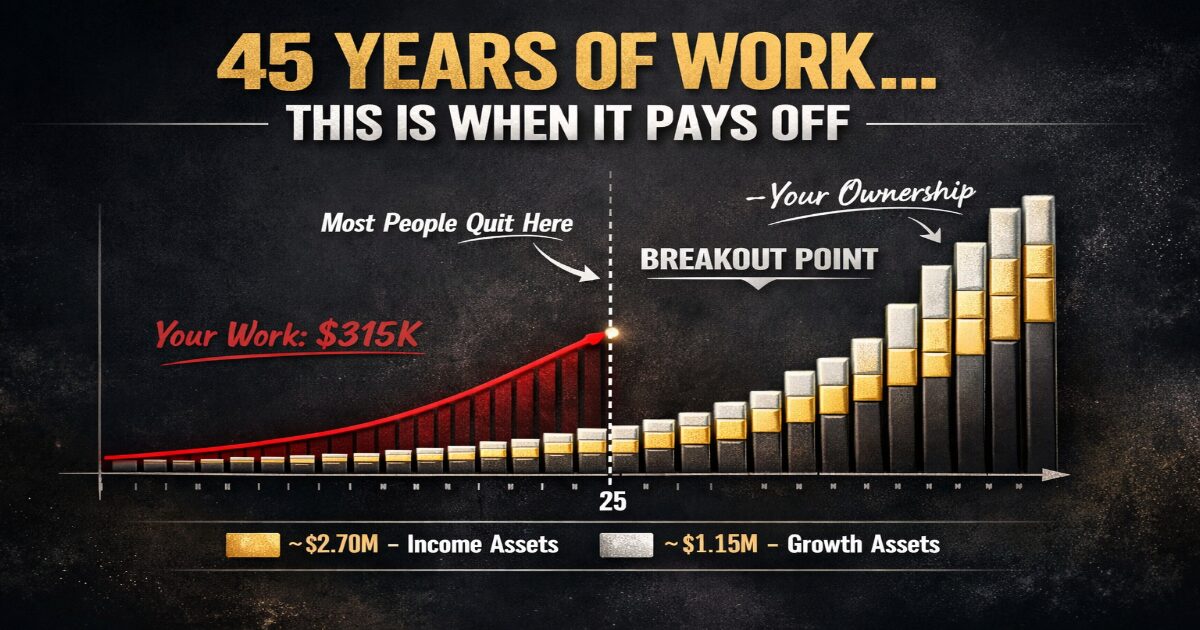
Discover how 45 years of consistent work can lead to two completely different outcomes. Learn how ownership, inflation, and asset strategy shape long-term wealth.

Free will gives us the ability to choose—but freedom determines the space we operate in. This article explores how choice, responsibility, and awareness shape the human experience.

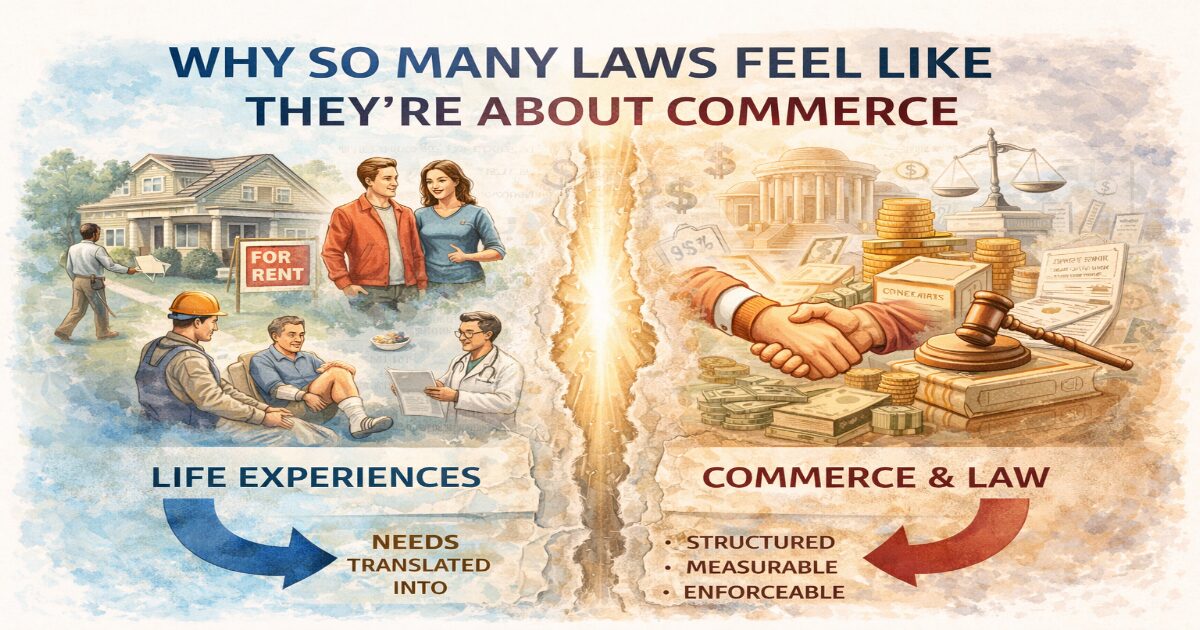
Many laws seem centered around money, agreements, and transactions. This article explains how commerce provides the structure legal systems use to organize relationships and resolve disputes.

The terms republic and democracy are often used interchangeably, but they describe different aspects of how systems function. Understanding form and substance reveals how structure, participation, and real-world outcomes actually work.

For more than a century, the economy has been built around jobs and companies. But technology and digital networks are quietly changing that structure. Instead of relying only on employment, more people are beginning to participate in communities, platforms, and digital ecosystems where contribution and participation create value. This article explores the growing shift toward network-based economies and how systems like EQPAY are beginning to experiment with new models of participation and independence.

Most systems draw power not from force, but from emotional consent. This article explains how reactive emotion feeds control structures, why agencies back off when one moves into Masculine Equity, and how authority is reclaimed through clarity, neutrality, and calm non-consent. A powerful teaching on energy, honor, and administrative self-governance.